
Best Items to Sell on Depop in 2026

Are you tired of waiting weeks for a single Depop sale notification to pop up on your phone?
Most sellers on Depop are struggling right now because they are still listing items that nobody is looking to buy.
The way people shop on Depop has changed in 2026, and it’s the items you’re selling that might be holding you back. So, you need to know what are the best items to sell on Depop.
In this guide, we are going to reveal the 13 best-selling items on Depop that you need to list to see your sales skyrocket in 2026. Let’s explore them!
Best Selling Items on Depop [By Season]
Winter (December–February)
Sweaters
Sweaters are the ultimate winter staple on Depop because they cater to both functionality and a wide range of aesthetic subcultures.
From chunky “Grandpa” knits and oversized vintage Coogi-style patterns to cropped mohair pieces for a Y2K look, the variety is endless.
They are best sellers because they are “safe” purchases—fit is often flexible, making them low-risk for buyers.
You should sell them because high-quality materials like wool, cashmere, or mohair can command significant price premiums.
Source them from: Thrift store “bins,” estate sales (for high-quality vintage), and online bulk wholesalers.
Plaid Skirts
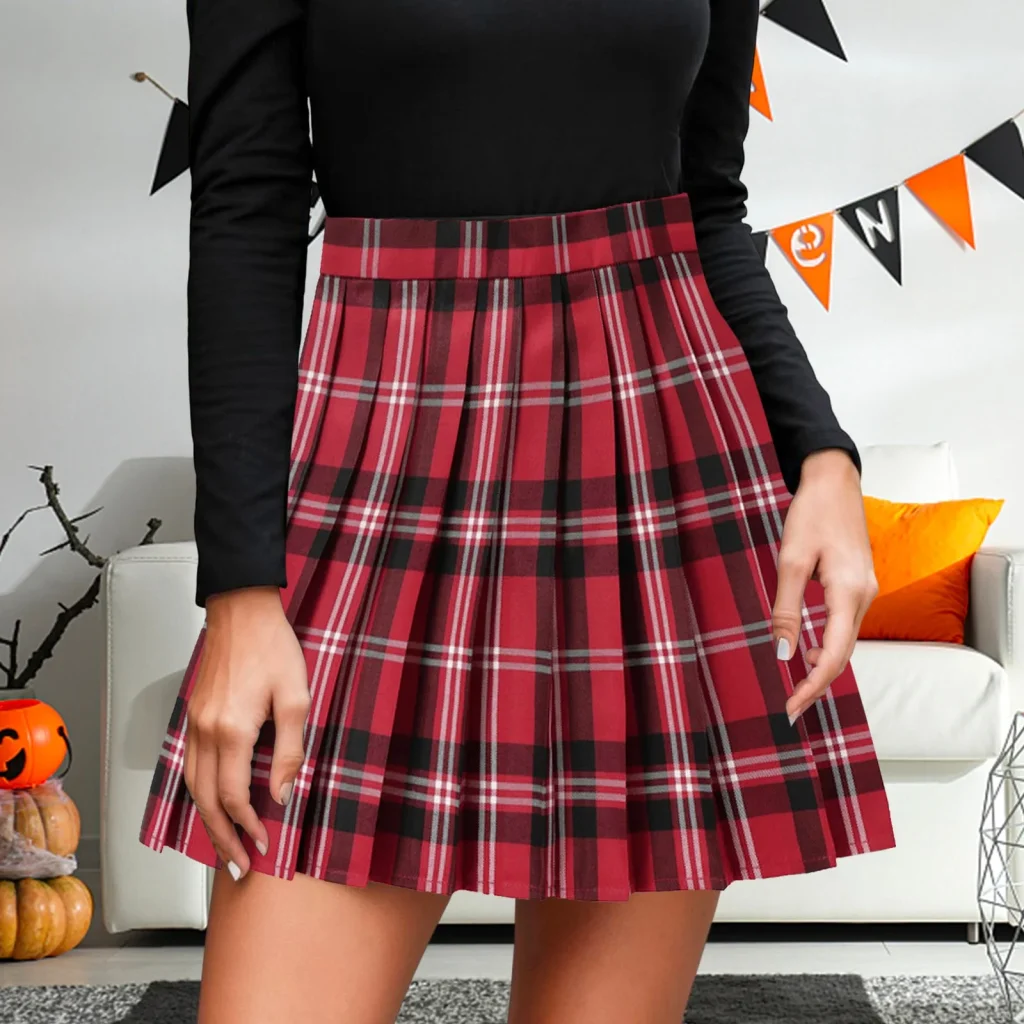
Plaid skirts thrive in winter due to the enduring popularity of the “Dark Academia” and “Preppy” aesthetics.
Often paired with tights and boots, they are a seasonal favorite for students and fashion enthusiasts alike.
They sell well because they are highly “Instagrammable” and evoke a nostalgic, school-core vibe.
Selling them is lucrative because recognizable brands (like Ralph Lauren or Pendleton) or unique vintage wool kilts have a dedicated following.
Source them from: Charity shops, eBay (look for “vintage wool skirt”), and local flea markets where older, high-quality textiles are often found.
Coats
Winter coats are high-ticket items that drive significant revenue. On Depop, buyers look for specific silhouettes: long wool trench coats, heavy faux fur, or “Penny Lane” shearling styles.
They are best sellers because they are a necessity, yet vintage versions offer a uniqueness that fast fashion cannot replicate.
Reselling coats is beneficial because the profit margins are typically higher than smaller items.
Source them from: Estate sales (the best place for pristine vintage wool), high-end consignment shops during off-seasons, and specialized vintage wholesalers.
Jackets
Unlike heavy coats, jackets (like puffers, bombers, and leather bikers) offer more styling versatility.
Brands like The North Face, Carhartt, and Harley Davidson are constantly trending. They are best sellers because they fit the “Gorpcore” and “Streetwear” trends that dominate Depop’s core demographic.
You should sell them because they have high resale value and hold their shape well for shipping.
Source them from: Depop itself (buying low/selling high), garage sales, and military surplus stores for authentic bomber or utility styles.
Hoodies

Hoodies are the backbone of Depop’s casual market. Whether it’s a faded vintage collegiate hoodie or a graphic streetwear piece, they are always in demand.
They sell because they are comfortable, unisex, and easy to style. Selling hoodies is a great way to maintain high inventory turnover since they appeal to almost every user on the app.
Source them from: Yard sales, thrift store activewear sections, and “rag houses” or bulk vintage warehouses that sell by the bale.
Boots
When the weather turns, searches for “Dr. Martens,” “vintage platform boots,” and “cowboy boots” spike.
Boots are best sellers because they anchor a winter outfit and are often seen as “investment pieces” by buyers.
You should sell them because specialized vintage footwear is rare and highly sought after, allowing for higher price points.
Source them from: Poshmark or eBay (look for uncleaned/poorly photographed pairs), estate sales, and flea markets.
Purses
Winter purses often lean toward heavier materials like leather, suede, or faux fur. Smaller “shoulder bags” and vintage “Coach” or “Dooney & Bourke” styles are particularly popular.
They are best sellers because they are “one size fits all,” reducing the likelihood of returns. Selling purses is efficient because they are easy to store and photograph.
Source them from: Local thrift shops (check the accessory bins), estate auctions, and online marketplaces where sellers might mislabel designer brands.
Spring (March–May)
Y2K Baby Tees

As the weather warms, the demand for tiny, tight-fitting graphic tees skyrockets. These are best sellers because they represent the core “Y2K” aesthetic that defines Depop.
They are incredibly cheap to source and take up very little shipping space, making them a high-margin item.
Source them from: The children’s section of thrift stores (look for 90s/00s graphics), depop “bundles,” and wholesale vintage t-shirt suppliers.
Slip Dresses
Slip dresses are a Spring favorite because they are perfect for layering over t-shirts or wearing alone. The “90s grunge” and “soft girl” aesthetics keep these in constant demand.
They are best sellers because they are versatile and timeless. Selling them is great for your shop’s “vibe” as they photograph beautifully.
Source them from: Lingerie sections of thrift stores (look for silk or satin with lace trim) and vintage nightwear categories on eBay.
Pleated Skirts
While plaid is for winter, solid or pastel pleated skirts take over in Spring. They fit the “tennis-core” and “coquette” trends.
They sell well because they are easy to style with sneakers or loafers. You should sell them because they are consistently popular and have a predictable market.
Source them from: Depop wholesale lots, charity shops, and generic “activewear” sections at large thrift chains.
90s Vintage Jeans
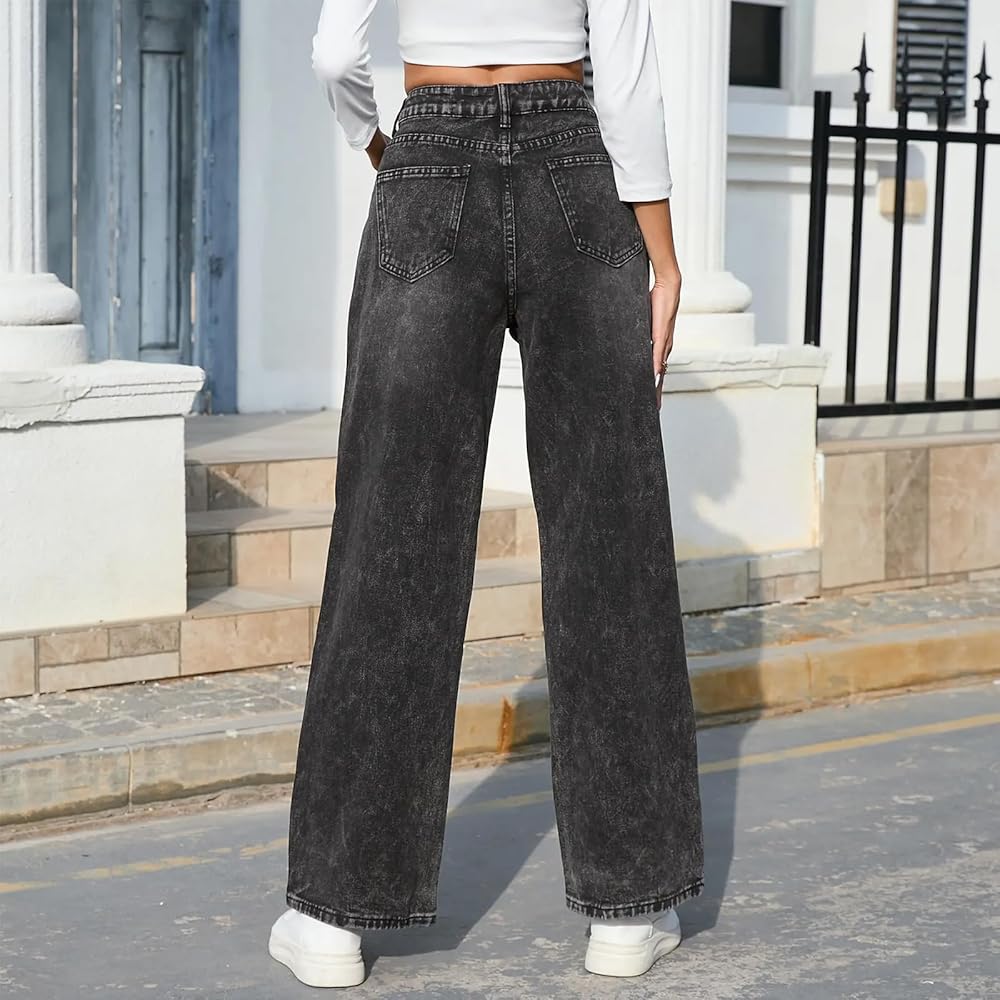
Spring is the peak time for light-wash, baggy, or “mom” jeans. Brands like Levi’s (501s and 550s) are gold on Depop.
They are best sellers because a good pair of vintage denim is considered a wardrobe essential. Selling them is highly profitable if you can master the “waist/inseam” measurements that buyers crave.
Source them from: Rag houses, bins, and specifically looking for “Made in USA” tags at garage sales.
Y2K Sunglasses
Accessories like rimless, tinted, or wraparound sunglasses are essential Spring add-ons. They are best sellers because they are cheap “impulse buys” for customers.
You should sell them because they are lightweight and can be easily bundled with other items to increase your average order value.
Source them from: Deadstock wholesalers, Amazon (for bulk trendy styles), and flea market vendors.
Silver Jewelry
Spring fashion often features more skin, leading to a rise in jewelry sales. Chunky silver rings, “chrome” heart-style necklaces, and star motifs are currently trending.
They sell because they complete an outfit and are easy for buyers to justify as low-cost treats.
Source them from: Local makers, Etsy (for bulk components), and “jewelry jars” at thrift stores.
Summer (June–August)
Sundresses

Floral prints, mini lengths, and breathable fabrics make sundresses the queen of summer. They are best sellers because they are an “entire outfit in one.”
You should sell them because vintage patterns from the 70s or 90s are unique and highly collectible.
Source them from: Thrifting in the winter (when they are cheaper), estate sales, and “buy-sell-trade” stores like Buffalo Exchange.
Goofy Graphic Shirts
Irony is a huge part of Depop culture. Shirts with “dad” jokes, obscure vacation spots, or weird 90s mascots are summer hits.
They sell because they are unique conversation pieces. They are great to sell because you can often find them for $1–$2 and flip them for $20+.
Source them from: Goodwill outlets, small-town thrift stores, and bin diving.
Tank Tops
Ribbed tanks, camis, and “pointelle” tops are summer essentials. They fit the “minimalist” and “clean girl” aesthetics.
They are best sellers because everyone needs them for layering or hot days. Selling them helps keep your shop active with low-cost, fast-moving inventory.
Source them from: Wholesale basics suppliers and the “sleepwear” or “basics” sections of thrift stores.
Demin Shorts
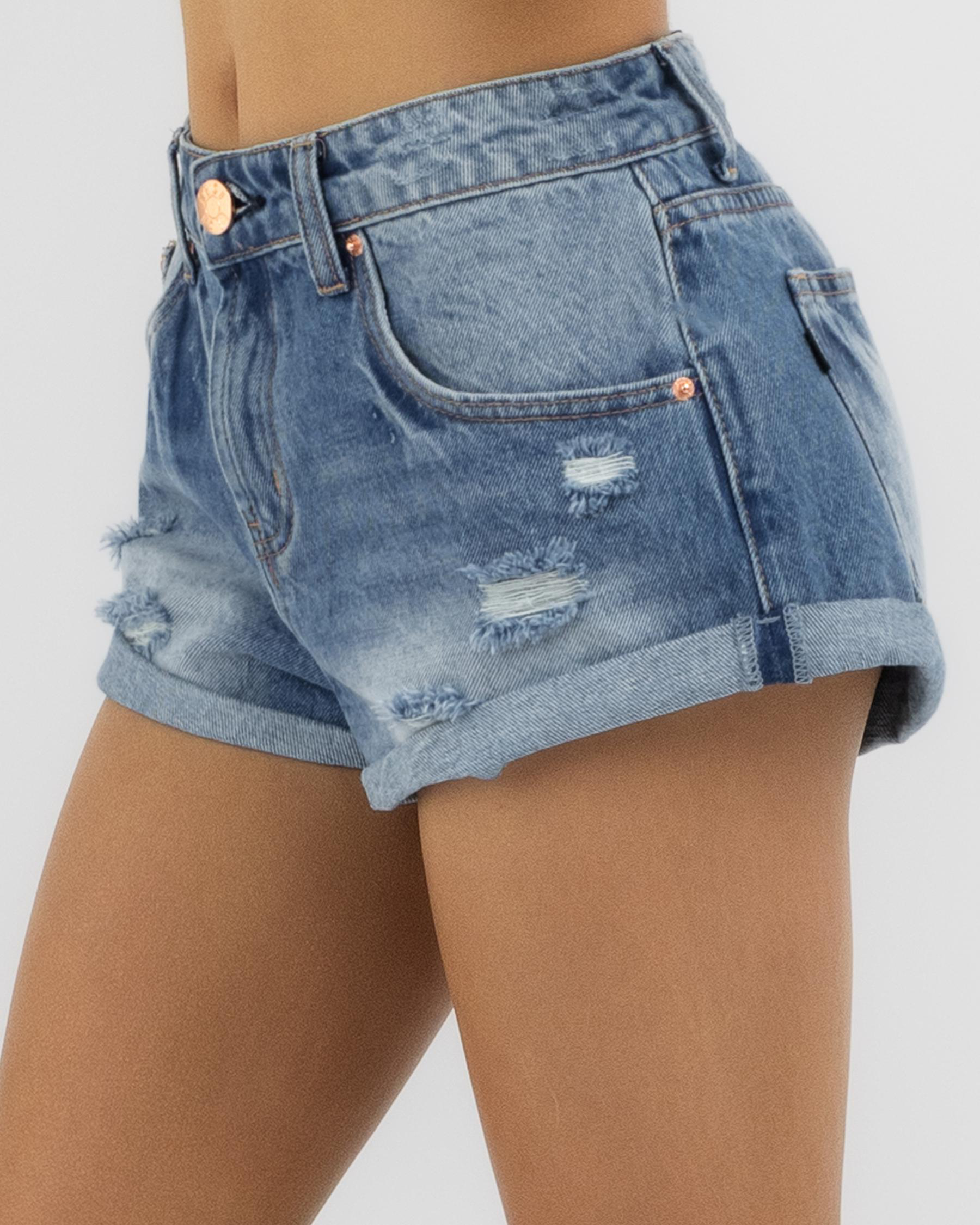
“Cut-offs” and vintage Levi’s shorts are summer staples. They sell because find the “perfect” pair of vintage shorts is a common goal for Depop users.
You should sell them because you can even “upcycle” damaged vintage jeans into trendy cut-offs.
Source them from: Damaged vintage jeans from the bins or thrift stores that you can DIY into shorts.
Workwear
Interestingly, heavy-duty shorts and vests (Carhartt/Dickies) stay popular in summer for the “skater” and “streetwear” look.
They are best sellers because they are durable and have a high brand-recognition factor. Selling them is reliable because the demand is consistent year-round.
Source them from: Construction surplus, Facebook Marketplace, and rural thrift stores.
Lingerie
Vintage slips, corsets, and bustiers are worn as outerwear in the summer. These are massive best sellers because of the “ballet-core” and “coquette” trends.
You should sell them because high-end vintage lingerie (like Victoria’s Secret Gold Label) is extremely valuable.
Source them from: Specialized vintage lingerie sellers, estate sales, and thrift store sleepwear racks.
Handbags
Summer calls for straw bags, bright “croc” leather purses, and small canvas totes. They sell because they provide the finishing touch to a summer look.
They are excellent for sellers because they rarely have “fit” issues, leading to fewer returns.
Source them from: Yard sales, vacation-town charity shops, and wholesale accessory sites.
Fall/Autumn (September–November)
Plaid Shirts
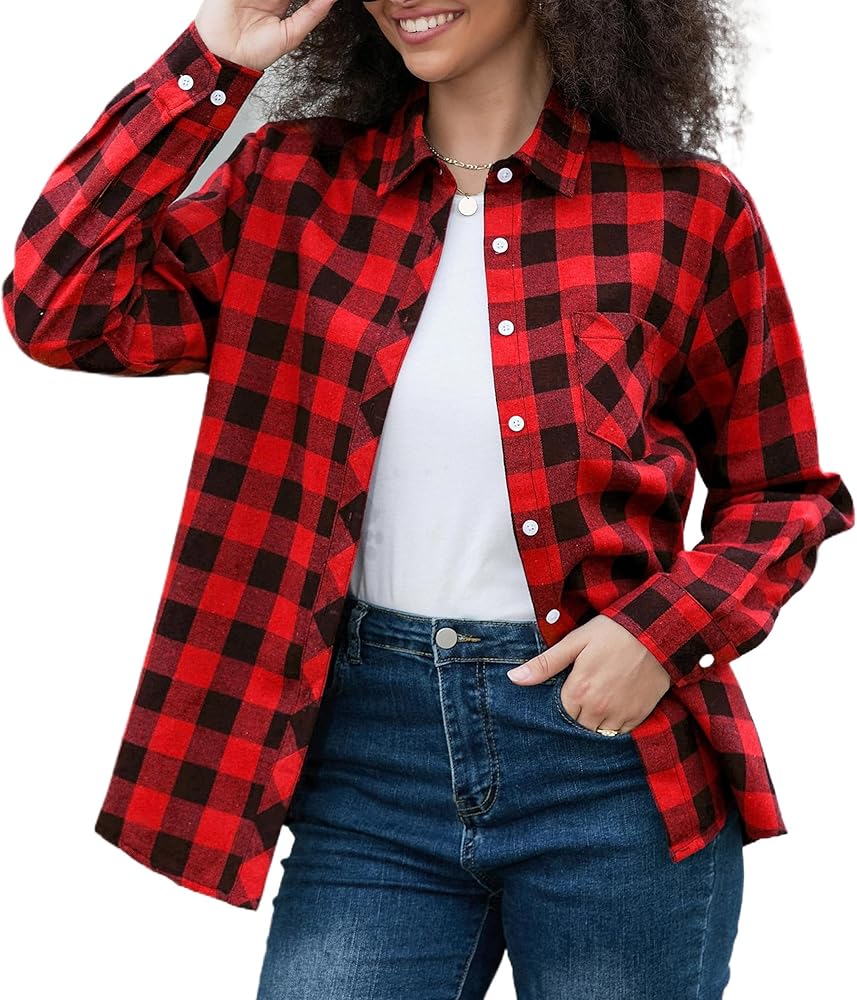
Flannels and plaid button-downs are the quintessential Fall item. They sell because they are the ultimate layering piece for the “grunge” or “outdoorsy” look.
You should sell them because they are incredibly easy to source in bulk.
Source them from: Men’s sections of thrift stores, church rummage sales, and wholesale flannel bales.
Leather Jackets
Fall is “Leather Jacket Season.” Oversized blazers, racing jackets, and distressed bikers are top performers.
They are best sellers because they are iconic “cool” pieces that never go out of style. Selling them can lead to your biggest profits of the season.
Source them from: Flea markets, eBay (searching for “worn leather”), and estate sales.
Cardigans
From “Grandma” mohair to chunky cable-knits, cardigans are a Fall staple. They sell because they are cozy and fit the “vintage” vibe perfectly.
You should sell them because specific textures (like fuzzy or chunky) are very easy to market with good photography.
Source them from: Thrift stores, older relatives’ closets, and online vintage auctions.
Sweatshirts
Vintage crewnecks—especially collegiate or 90s Disney—fly off the shelves in Autumn. They sell because they are comfortable and “pre-loved” softness is a selling point.
Selling them is easy because the sizing is generally forgiving.
Source them from: University-town thrift stores, yard sales, and bulk vintage “rag” bins.
Beanies & Scarves
As it gets colder, accessories become essential. Chunky knit beanies and “mohair-feel” scarves are popular.
They are best sellers because they are cheap, easy to ship, and perfect for “gifting” season.
Source them from: Local artisans, deadstock wholesalers, or knitting them yourself if you’re crafty!
Gloves
Leather gloves or “fingerless” emo-style gloves are niche but popular Fall accessories.
They sell because they fit specific aesthetics like “Goth” or “Cyber-y2k.” You should sell them to round out your shop’s accessory section.
Source them from: Military surplus stores and thrift store accessory bins.




Leave a Reply